

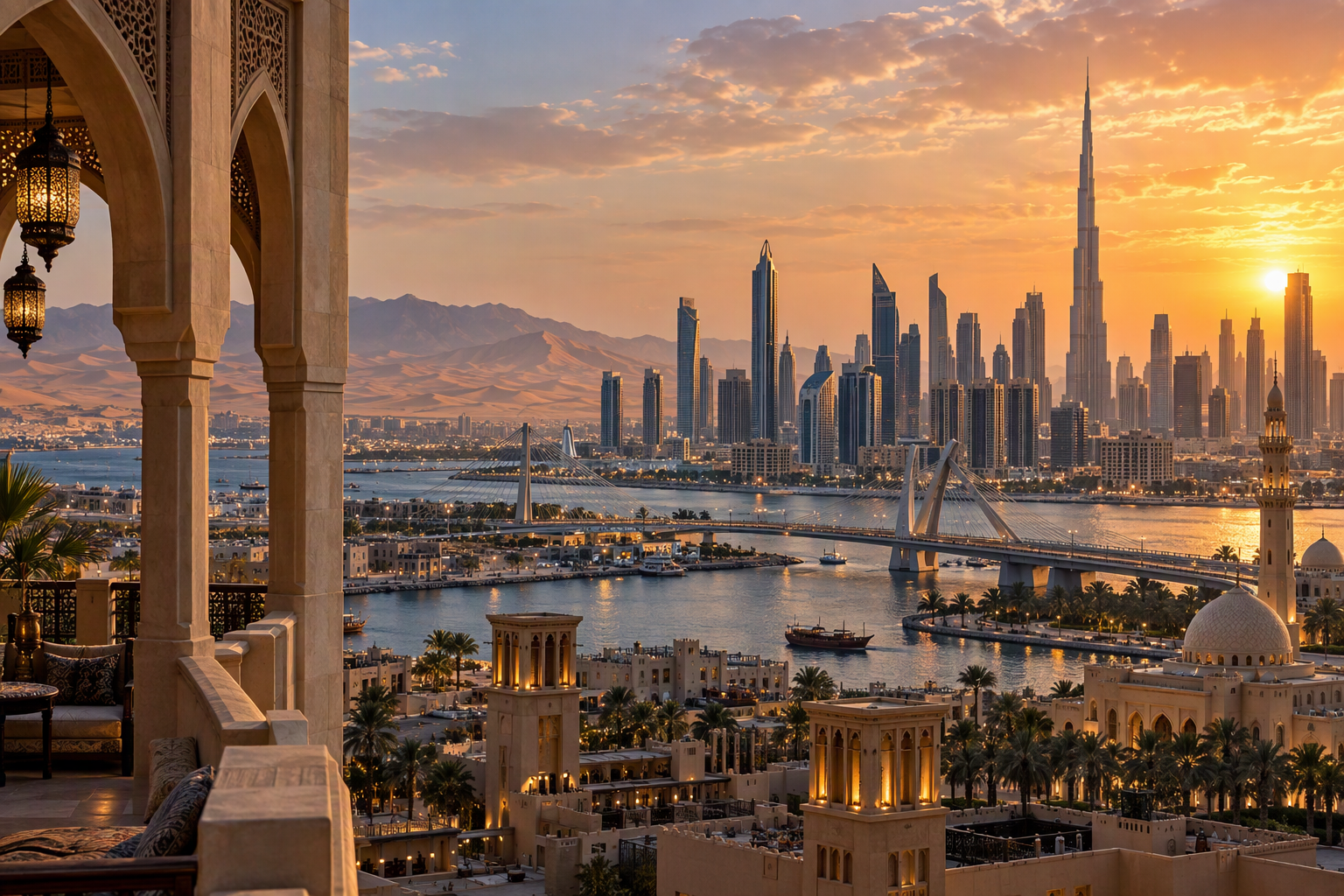
The Middle East is one of the world’s most strategically important regions, playing a major role in international politics, global energy markets, trade, diplomacy, and security. Developments across the region often have consequences that extend far beyond its borders, influencing international relations, economic conditions, and global affairs. From political decisions and diplomatic negotiations to business growth and humanitarian challenges, the Middle East remains an important focus of international news.
At Pressivoza, our Middle East News & Regional Developments section provides readers with informative coverage of important regional issues. This category explores political developments, government policies, economic trends, international relations, security matters, energy markets, and social changes across Middle Eastern countries.
Understanding the Middle East
The Middle East includes countries with diverse political systems, economies, cultures, and historical backgrounds. Nations such as Saudi Arabia, the United Arab Emirates, Qatar, Kuwait, Bahrain, Oman, Iraq, Iran, Jordan, Lebanon, Syria, Yemen, Israel, and the Palestinian territories are frequently featured in regional and international reporting.
Each country has its own priorities and challenges. Some are major energy producers, while others focus on trade, tourism, agriculture, technology, manufacturing, and international investment. Understanding these differences is essential for following regional developments and their wider global impact.
The region’s geographical position also makes it important for international transportation and commerce. It connects major markets across Asia, Europe, and Africa, while important maritime routes support the movement of energy supplies and commercial goods.
Middle East Politics and Government Developments
Political developments are among the most important subjects in Middle East news. Government decisions, parliamentary activities, elections, policy reforms, and leadership changes can influence national priorities and regional relationships.
Countries across the region continue to address issues involving governance, public services, economic reform, institutional development, and political participation. Government policies can affect investment, employment, education, healthcare, and the everyday lives of citizens.
Pressivoza covers political developments with a focus on verified information, relevant context, and balanced reporting. Our aim is to help readers understand not only what has happened but also why a particular development matters.
Regional Conflicts and Security Issues
Security remains a significant concern in several parts of the Middle East. Political tensions, armed conflicts, border disputes, and regional rivalries can create serious challenges for governments and communities.
Developments involving Israel and Palestine, Iran, Iraq, Syria, Lebanon, Yemen, and other regional actors often receive international attention because of their potential humanitarian, political, and economic consequences.
Responsible reporting on conflict requires accuracy and care. Information about casualties, military activity, diplomatic statements, and security developments should be checked against reliable sources. It is equally important to consider the impact on civilians, displaced families, healthcare systems, education, and essential infrastructure.
Pressivoza aims to present conflict-related developments in a factual and responsible manner, avoiding unverified claims and sensational headlines.
Diplomacy and International Relations
Diplomatic relationships play an important role in shaping the Middle East’s political and economic environment. Regional governments maintain relationships with international partners through negotiations, trade agreements, diplomatic visits, security cooperation, and multilateral organizations.
Relations between Gulf countries, neighbouring states, and major international powers can influence regional stability and economic opportunities. Diplomatic negotiations may also address humanitarian assistance, trade access, security concerns, and efforts to reduce tensions.
This category follows important diplomatic meetings, international agreements, peace initiatives, and foreign policy decisions. Readers can explore how cooperation and disagreements between governments influence regional and global affairs.
Middle East Economy and Business News
Economic developments across the Middle East are closely connected to global markets. Several countries in the region are major producers and exporters of oil and natural gas, making energy policies and production trends important subjects for international businesses and governments.
However, the regional economy extends well beyond traditional energy industries. Countries are investing in tourism, transportation, construction, finance, renewable energy, technology, manufacturing, and digital services.
Economic diversification has become an important priority for several governments. Investment programmes and development strategies aim to create employment opportunities, attract international businesses, strengthen infrastructure, and reduce dependence on individual industries.
Pressivoza covers business developments, investment announcements, financial trends, trade relationships, major projects, and economic policies that influence the region.
Energy Markets and Global Trade
The Middle East has a central position in global energy markets. Oil and natural gas production, export policies, transportation routes, and international energy agreements can influence prices and supply conditions around the world.
Changes in energy production or disruptions to important shipping routes may affect transportation costs, industrial production, electricity markets, and international trade. These developments can be particularly important for countries that depend heavily on imported energy.
Alongside traditional energy resources, renewable energy is becoming an increasingly important area of investment. Solar and other clean-energy projects are attracting attention as governments consider energy security, environmental protection, and long-term economic diversification.
Our coverage explores these developments and explains their potential significance for regional economies and international markets.
Humanitarian Affairs and Social Developments
Humanitarian issues remain an important part of the Middle East’s regional story. Conflict, displacement, economic difficulties, natural disasters, and limited access to essential services can affect vulnerable communities.
News about refugees, healthcare, food security, education, housing, and humanitarian assistance helps readers understand the human consequences of regional developments. International organizations and local authorities also play important roles in responding to emergencies and supporting affected populations.
Beyond humanitarian challenges, the Middle East is experiencing significant social and cultural changes. Education reforms, employment opportunities, women’s participation in professional life, urban development, and changing lifestyles are shaping communities across the region.
Pressivoza aims to highlight these subjects while giving appropriate attention to reliable information and the experiences of affected people.
Technology, Innovation, and Future Development
Technology is becoming an increasingly important part of the Middle East’s economic transformation. Governments and private companies are investing in digital infrastructure, artificial intelligence, financial technology, cybersecurity, smart cities, and research.
Countries such as Saudi Arabia and the United Arab Emirates have announced major technology and innovation initiatives, while other regional economies are also exploring opportunities in digital services and entrepreneurship.
These developments may create new business opportunities, improve public services, and support employment. However, digital transformation also raises questions about data protection, cybersecurity, skills development, and equal access to technology.
Our reporting follows major technology announcements and explores how innovation is influencing the region’s future.
Climate Change and Environmental Challenges
Environmental issues are especially important across the Middle East because many countries face water scarcity, extreme temperatures, desertification, and growing demand for electricity.
Climate change can increase pressure on agriculture, public health, infrastructure, and water resources. Governments are therefore exploring measures involving water management, renewable energy, sustainable construction, and environmental protection.
Pressivoza covers environmental policies, climate initiatives, conservation projects, and regional cooperation on sustainability.
Stay Informed with Pressivoza
The Middle East continues to influence international politics, business, energy markets, and global security. Understanding its developments requires reliable information, regional context, and reporting that considers different perspectives.
Through this category, Pressivoza aims to keep readers informed about important news from across the region. From government decisions and diplomatic developments to economic changes, technology, and humanitarian affairs, our coverage brings together subjects that matter to readers around the world.
Explore Middle East News & Regional Developments on Pressivoza for informative reporting and updates about the countries, communities, and issues shaping this important region.